


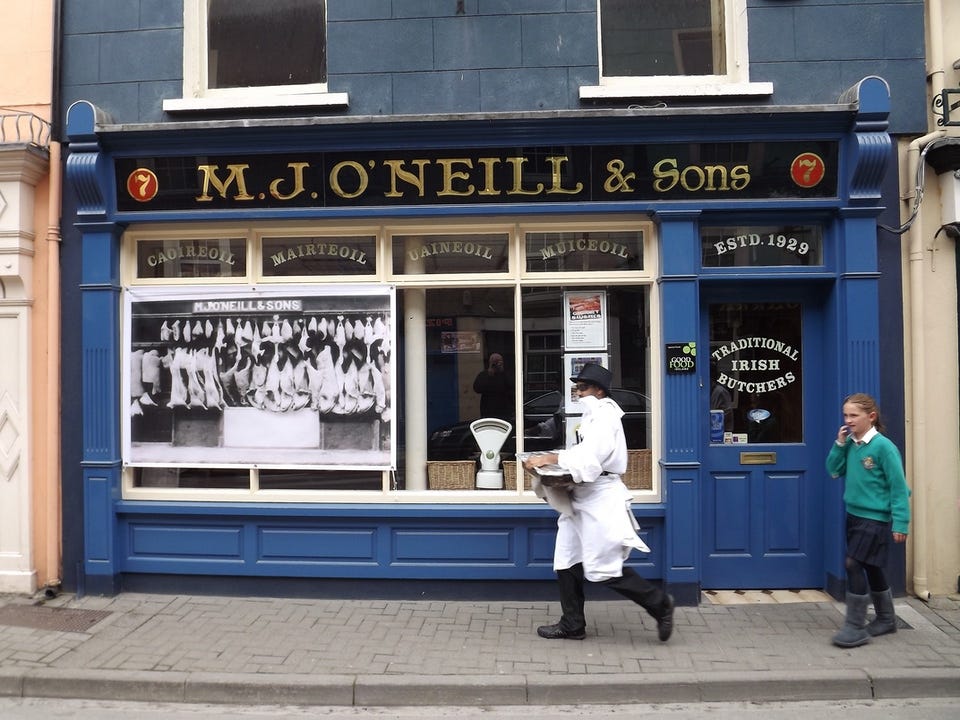
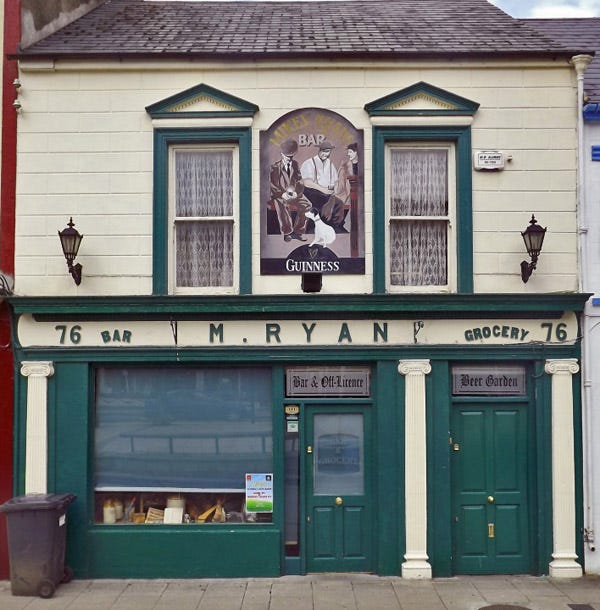
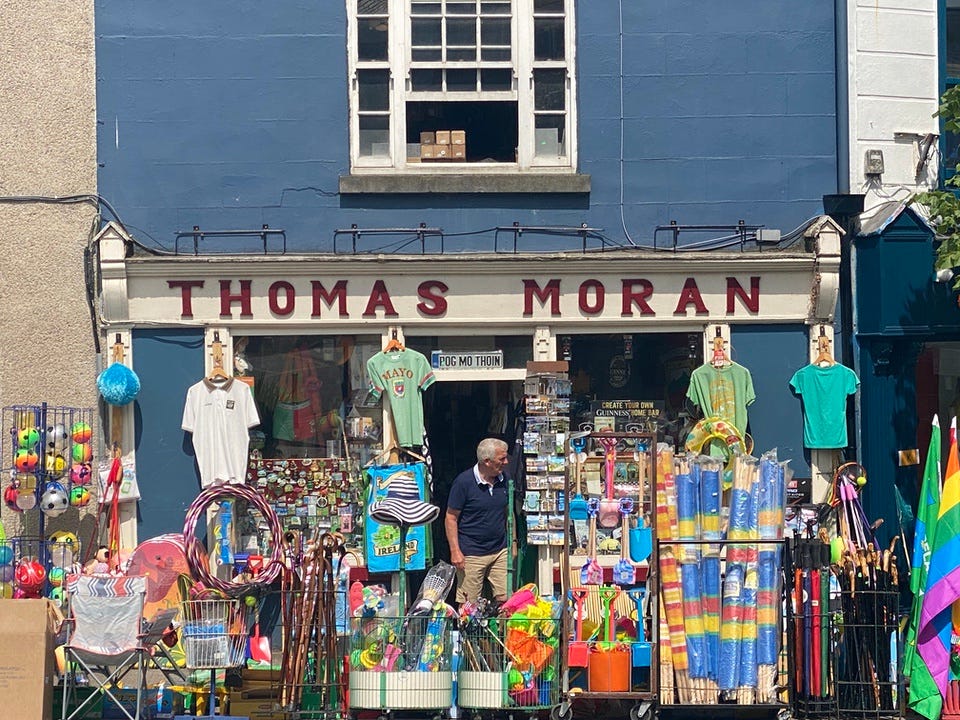
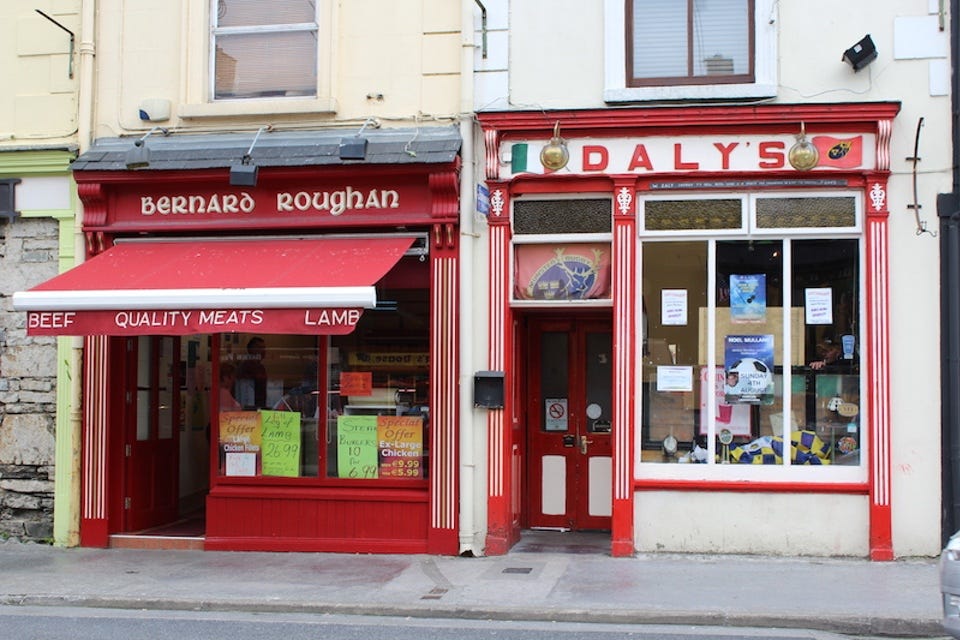
Walk through any Irish town or village and look up. Above the weathered doors of pubs and shops, painted in bold letters or carved into stone, you'll find something remarkable: surnames that have echoed across this island for over a thousand years. You’ll find a McCarthy’s Bar in Kerry, or an O’Neill’s Pub in Tyrone, or maybe even a Collins Hardware in West Cork. These aren’t just business names, but signposts pointing to Ireland’s deep past. A visible trace of an ancient country that existed long before county lines were drawn and English became the dominant tongue.
Before the Anglo-Norman invasion began in 1169, an event that helped carve Ireland into the administrative divisions we know today, this island was made up of smaller kingdoms known as “tuatha” (pronounced “Too-ha”). These weren’t neat geometric shapes on a map, but organic territories shaped by rivers, mountains, kinship, as well as tribal allegiance. Each tuatha was a world unto itself, but linked to others through customs, laws, and ruling families. Many of whose surnames are still known to us today.
By the 10th and 11th centuries, Ireland had entered a period where many of these territories became linked to hereditary surnames, one of the earliest such traditions in Europe. The O’Neills ruled across large areas of Ulster. The McCarthys held sway in Munster, particularly Cork and Kerry. The O’Briens dominated Thomond, their power radiating from what are now counties Clare and Limerick. These weren’t just political arrangements. They represented profound cultural and genealogical ties between people and place - bonds strong enough to survive invasions, colonisation, and centuries of turmoil. Until they weren’t, that is.
Travel through Ireland today and you're walking across that ancient landscape. In County Cork, McCarthy’s pubs still dot the countryside like waypoints marking the old stronghold of the MacCarthy Mór. In Tyrone or Armagh, O’Neill signs appear above shopfronts with striking regularity, the same name that once led Gaelic armies and negotiated with Elizabeth I. These surnames are not randomly scattered but still cluster in patterns that echo the boundaries of ancient power.
The Anglo-Norman invasion brought a new set of names; Fitzgerald, Burke, Walsh and more. These families arrived as conquerors but were eventually woven into the fabric of Irish society. Many became “more Irish than the Irish themselves,” as the old saying goes. Today, a Fitzgerald’s Pub in Kerry or a Burke’s shop in Galway doesn’t just represent Norman heritage, it reminds us of how Ireland absorbs and transforms, even those who came as invaders, colonists, immigrants.
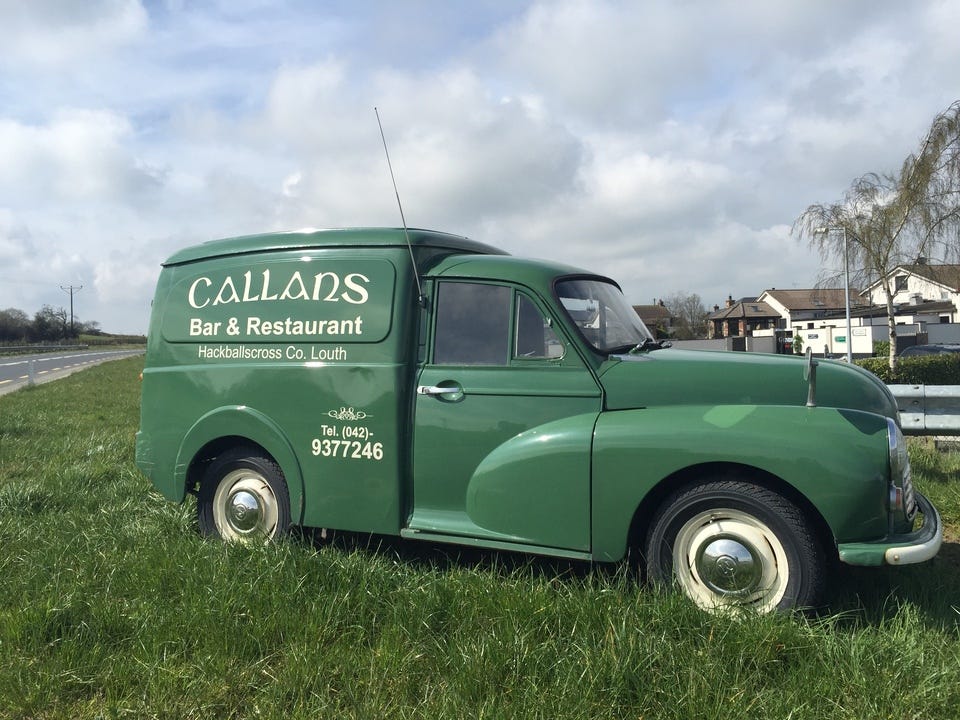
This phenomenon is distinctly Irish. In England, village pubs are more likely to be called The Red Lion, The Crown and Anchor, or The Spotted Dog - all names that reflect heraldry, local folklore, or occupational history. Rarely do you see surnames above the door, unless, of course, it’s an Irish pub run by emigrants. In Ireland, however, the family name is both brand and birthright. A surname above a shop is not just marketing but a quiet declaration: these are the people of this place.
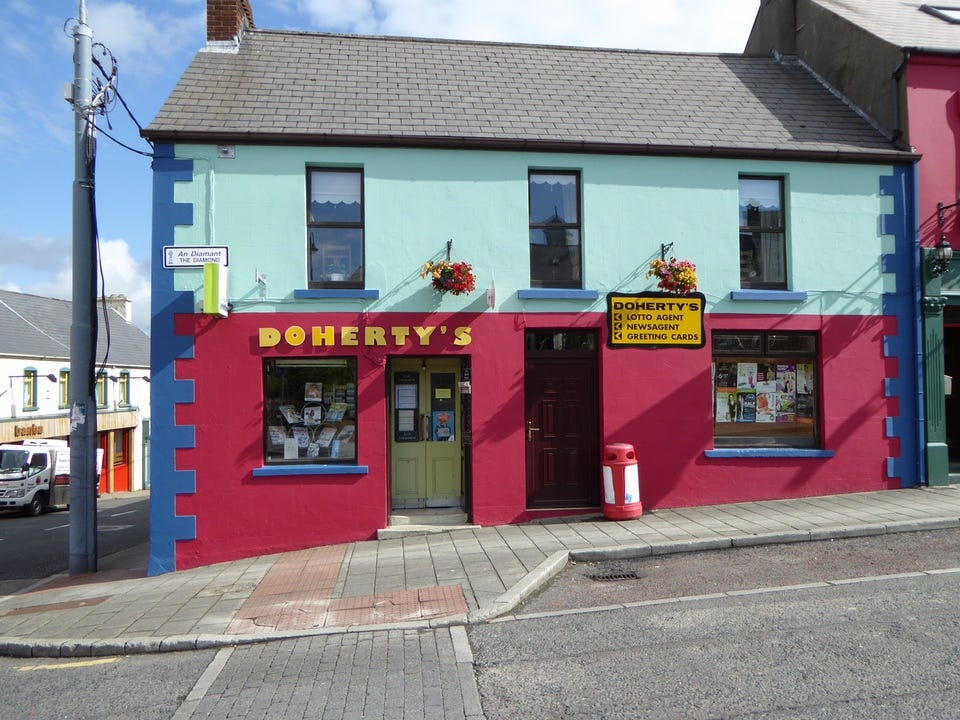
When a Murphy continues a pub in Cork or a Kelly starts a shop in Mayo, they’re not simply runing a business. They’re continuing a conversation that began centuries ago. They’re saying: my people were here before your maps, your language, your laws.
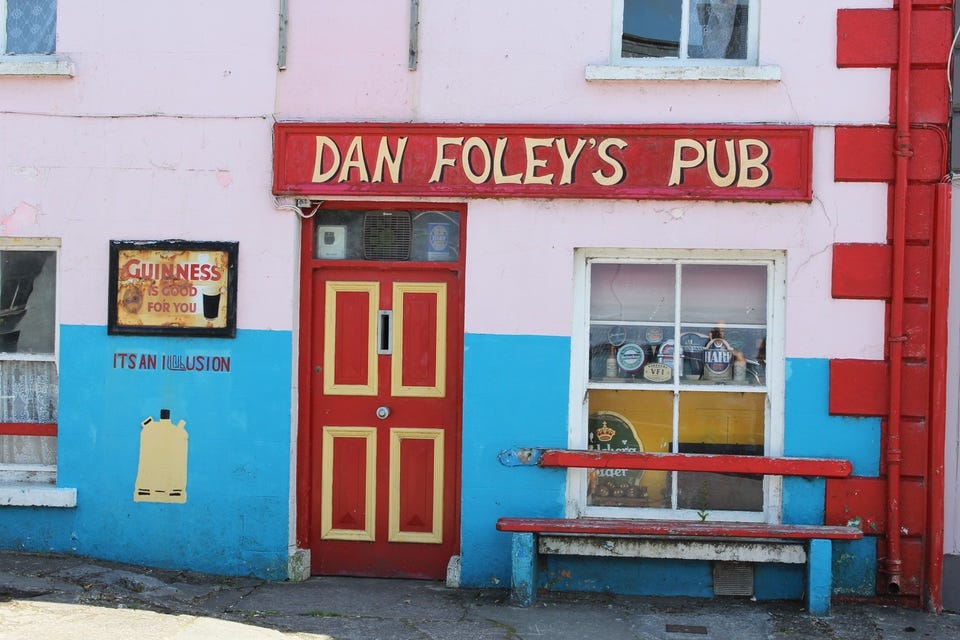
Some names are so widespread that they seem to trace invisible ley lines across the land - Murphy, Kelly, Sullivan, O’Brien- appearing so frequently they become part of the geography itself. Others are fiercely local, connected to a specific valley, townland, or parish where one family once held dominion, and still does.
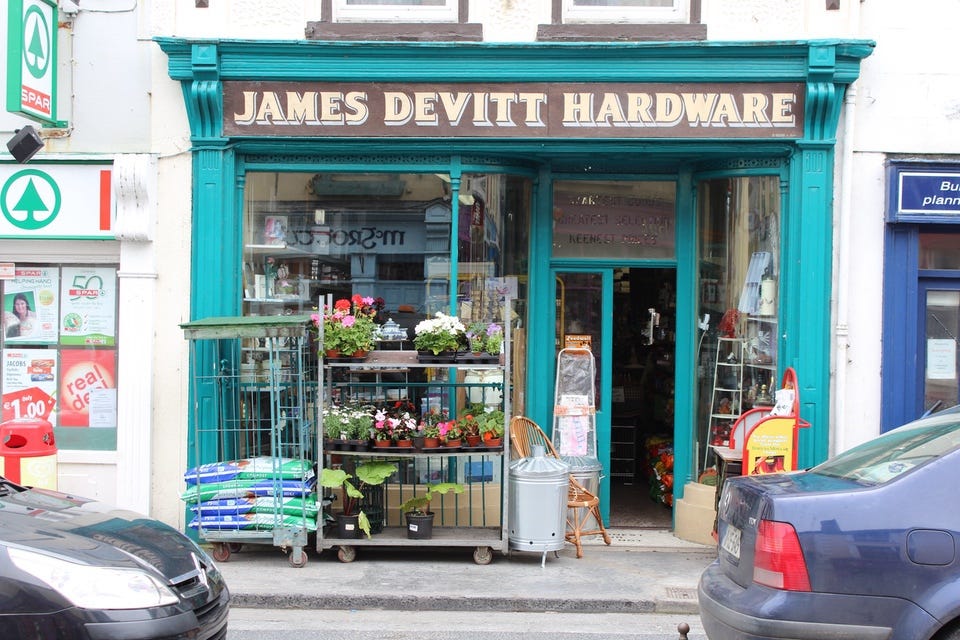
So the next time you find yourself walking through an Irish village or winding through the back roads of the countryside, look up. See past the chipped paint and faded lettering to the deeper story being told. These are not just business signs. They are fragments of a medieval map. Reminders that beneath the surface of modern Ireland lies an older country, one drawn not with rulers and ink, but with lineage, legacy, and belonging.
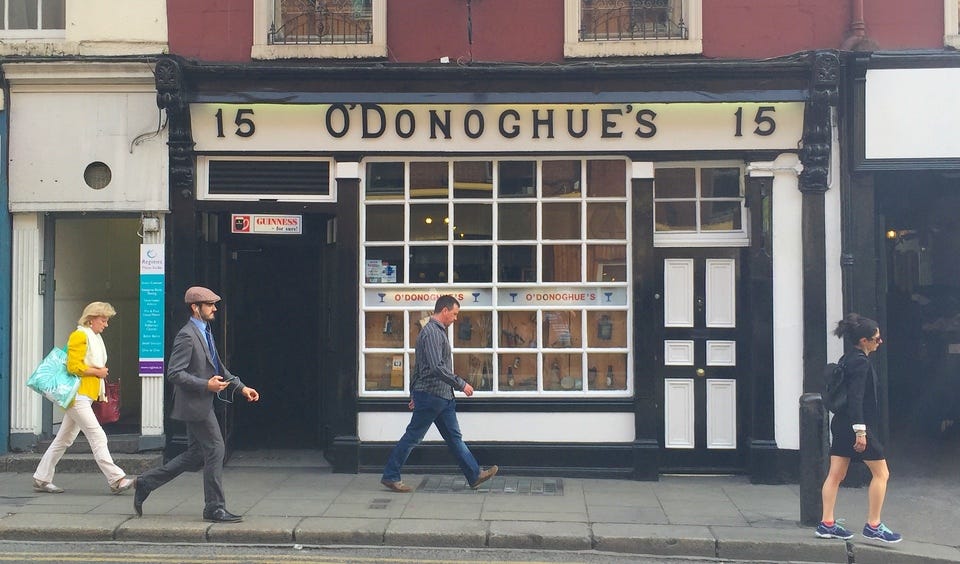
And whether you’ve roots here or are simply passing through, those ancient names above the doors are quietly letting you know: you are both welcome and you are a visitor in our place. And this has been our place for a very long time indeed.