


The cobblestones of Parliament Street have long been covered over by smooth paving, and most visitors to Kilkenny city hurry past the arched doorways of Rothe House without a second glance. However, for the visitor, it's the kind of place you would not miss – with a grand facade announcing its significance. However, I do wonder how many venture deeper into one of Ireland's most remarkable Tudor merchant houses.
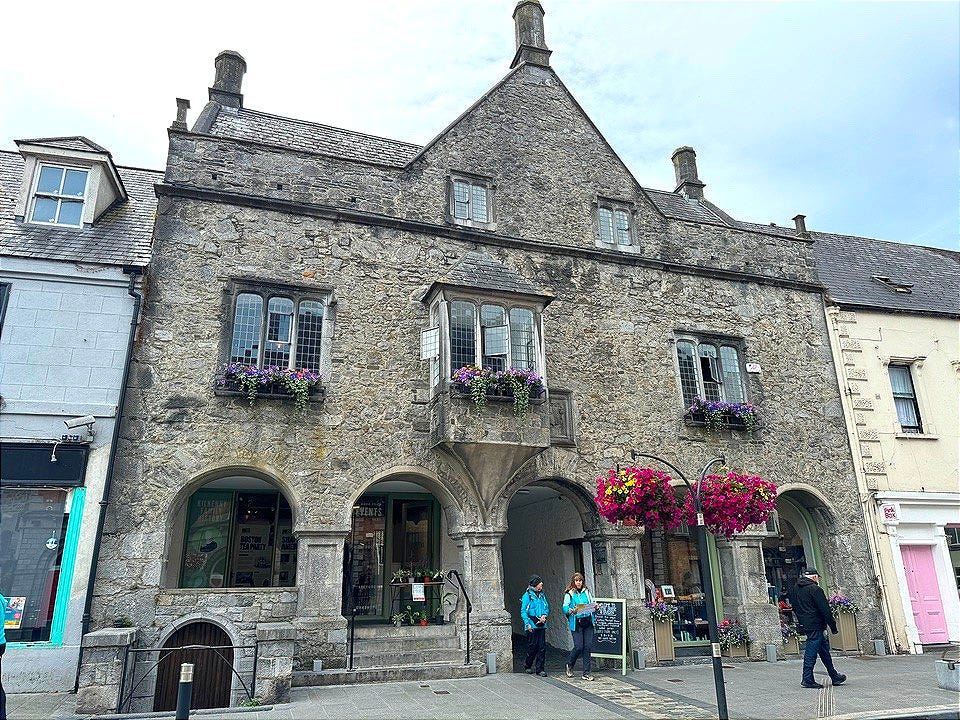
You see, take the first steps through that front entrance and you find yourself in the home and world of John Rothe – a successful merchant who built his house in 1594 and managed to prosper in some of Ireland's most turbulent times.
The House That Trade Built
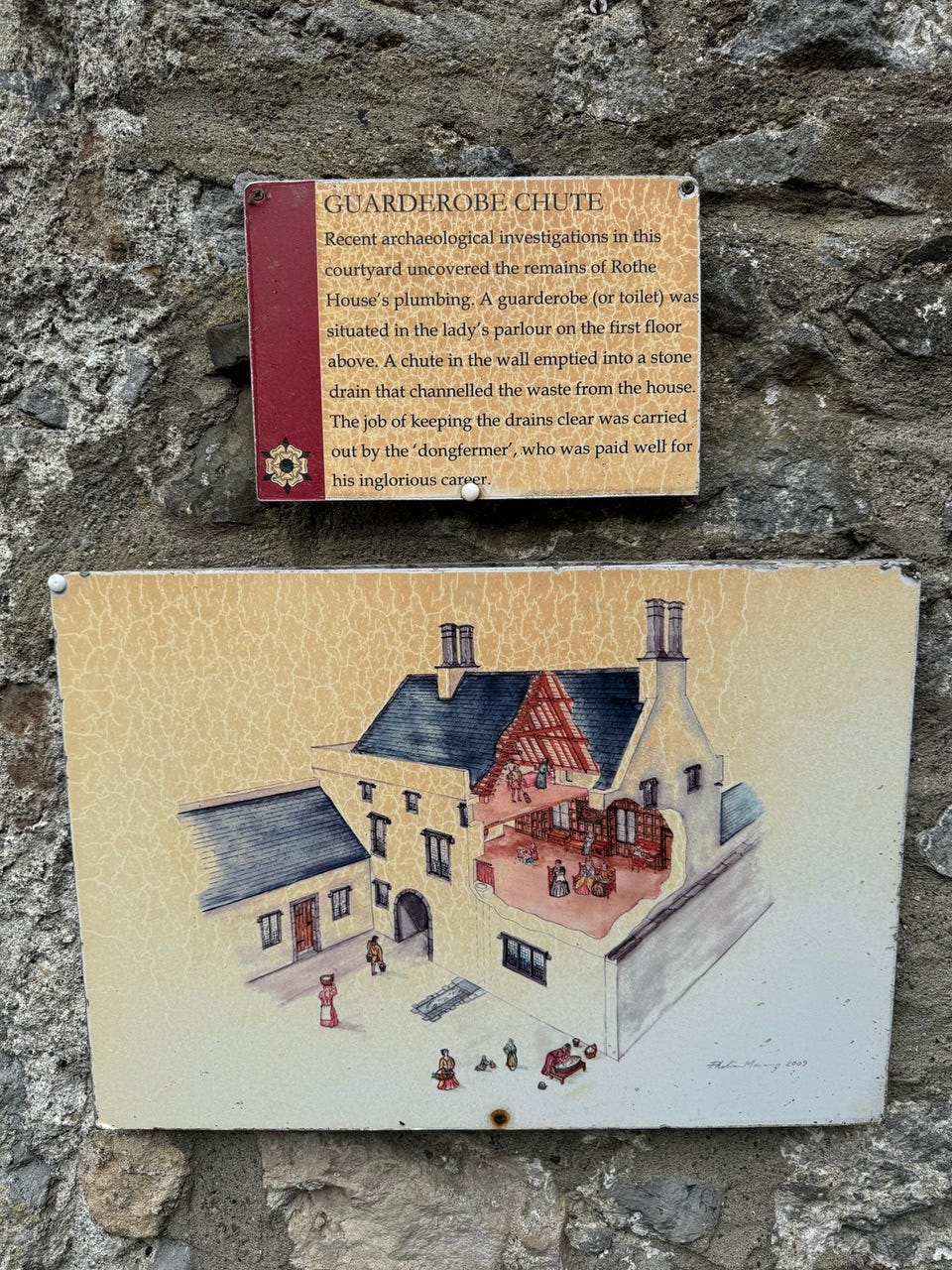
What strikes you immediately is that this isn't really one house at all – but three separate structures connected by cobbled courtyards, each addition built as the family's fortunes grew. You can literally see the Rothes' success story written in stone and timber as you move from the original modest dwelling to the grander later additions.
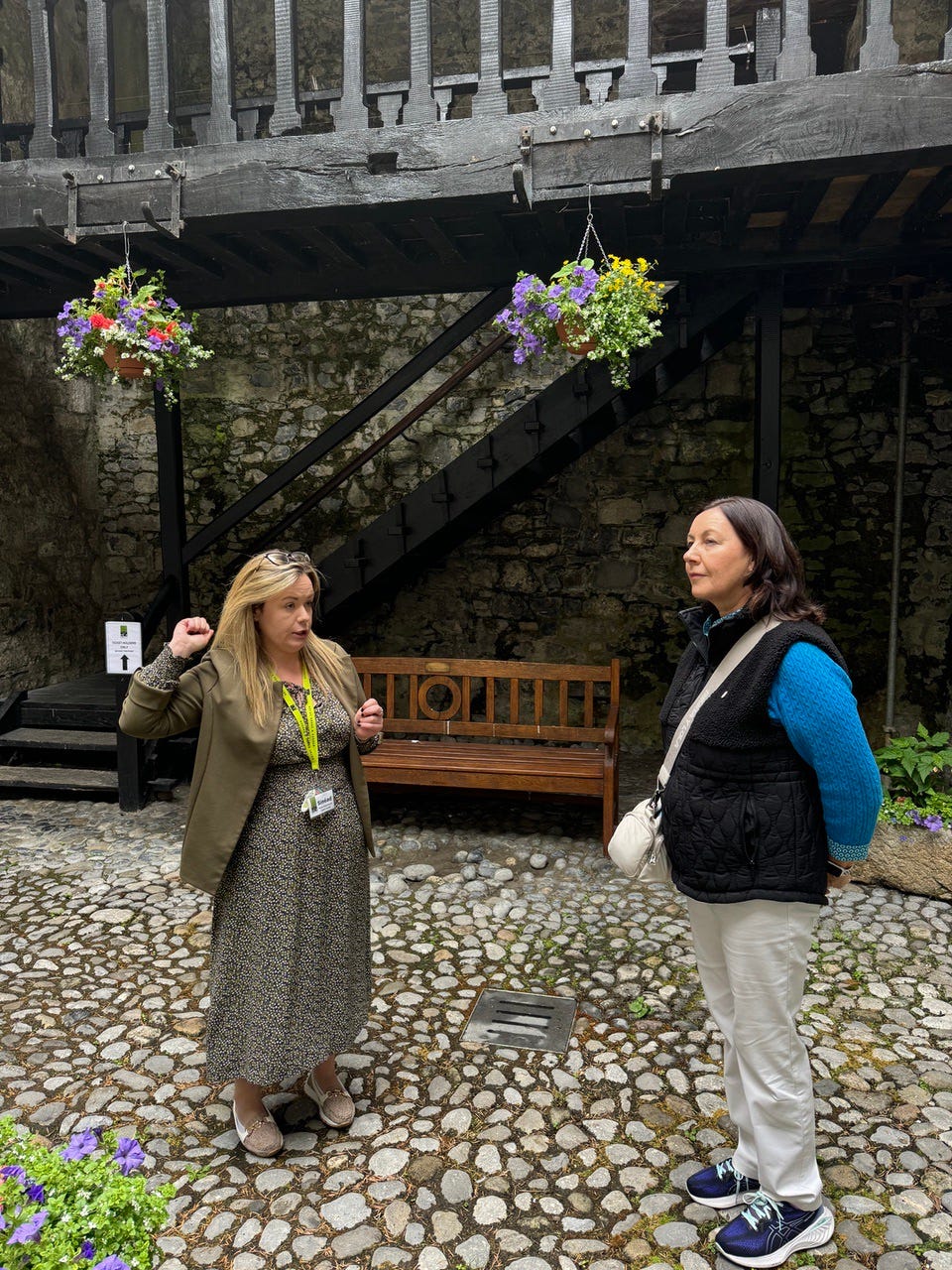
"The Rothes were what we'd call serial renovators today," explains Mary, our guide, as we stand in the first courtyard. "But each expansion reflected their growing wealth and status. You could say that in Tudor Ireland, your house was your business card."
The timber-framed galleries that connect the buildings create surprisingly intimate spaces. There's something about the proportions and the way light filters through the stone archways that feels both medieval and oddly timeless. Walking through these rooms, you get a real sense of how a successful merchant family actually lived 400 years ago.
Surviving in Dangerous Times
The Rothes weren't just successful traders, they were Catholics trying to prosper in an increasingly Protestant Ireland. Standing in what would have been John Rothe's counting house, surrounded by displays of medieval coins and trading artifacts, you begin to understand how precarious their position really was.
"The Rothes were a great example of the old Irish Catholic merchant class," Mary explains. "They traded with Spain, France, the Low Countries – anywhere Catholic merchants were welcome. But they also had to keep the Protestant authorities here happy."
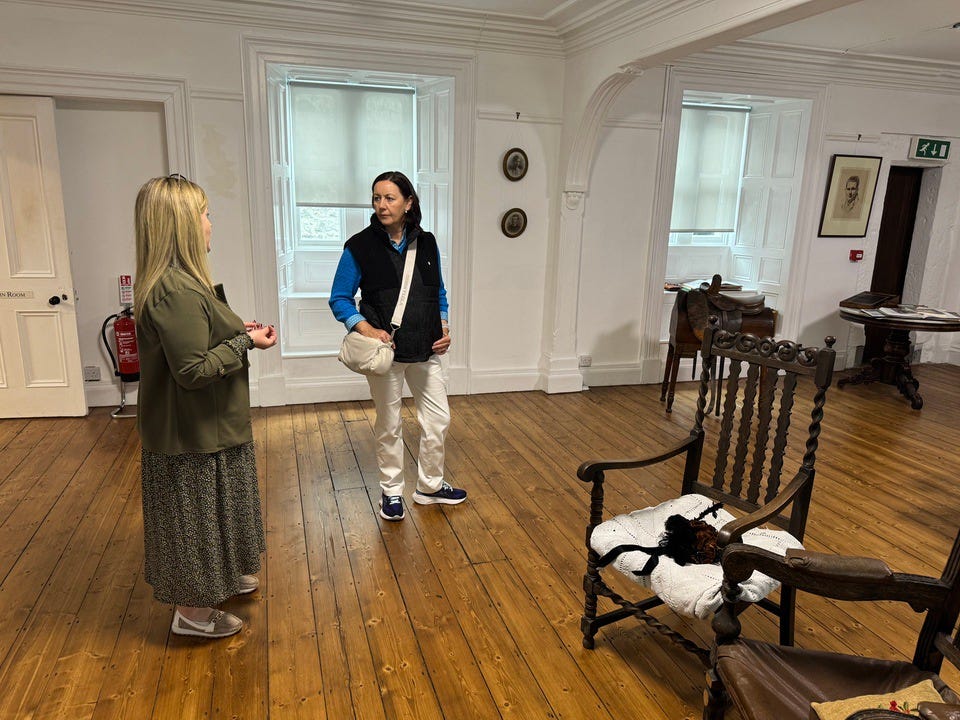
The artefacts around the house tell this story clearly: Spanish ceramics alongside English pewter, Continental glass beside local metalwork. This was a household that needed to keep one foot in each world – Catholic Europe and Protestant Ireland.
When Everything Fell Apart
The exhibition room dedicated to the family's downfall hits you like a punch. The English Civil War and Cromwell's conquest of Ireland destroyed Ireland's Catholic merchant class almost overnight. The Rothes lost everything – their property confiscated, their trading network shattered, their carefully built prosperity wiped out.
A young couple from Cork studies the timeline on the wall, trying to follow the family's fortunes through the decades. "It's like watching Irish history happen to one family," the woman says. "Everything that went wrong for the country went wrong for them too."
She's right. The Rothes' story is Ireland's story in miniature – the medieval prosperity, the religious conflicts, the catastrophe of Cromwell. Their house survived because it was eventually rescued and turned into a museum, but how many similar stories just vanished without a trace?
The Garden That Time Forgot
Behind the main buildings sits a reconstructed Tudor garden that many will consider the house's best feature - certainly the one that is most alive. Here, among beds of herbs and flowers that the Rothe family would have recognised, you feel closest to their daily life.
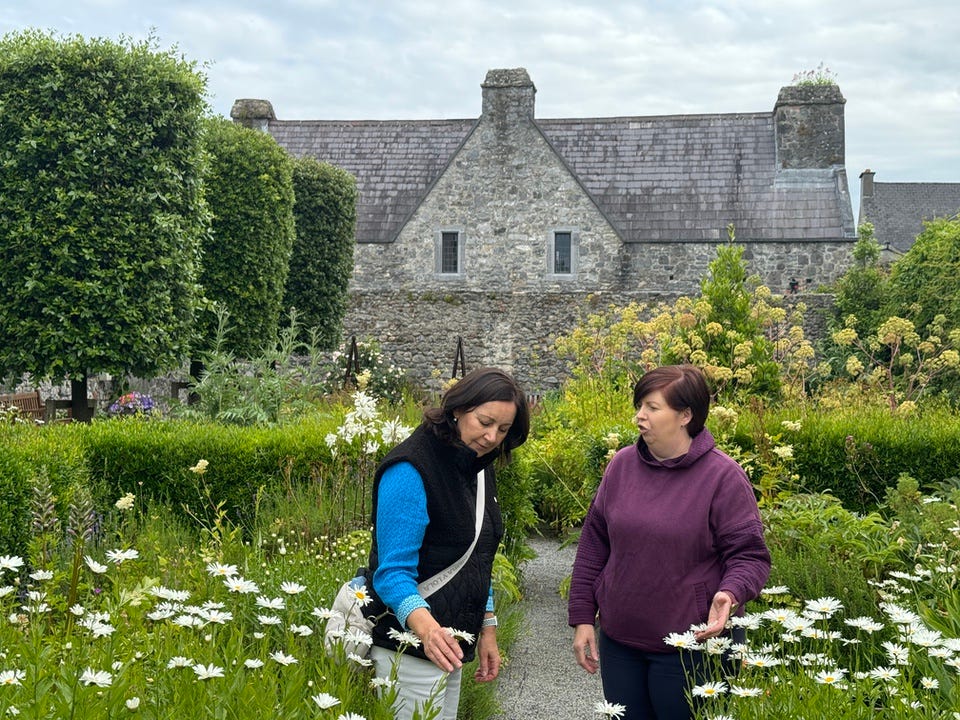
The garden follows traditional patterns – geometric beds filled with rosemary, lavender, sage, and thyme. In the Rothes' time, this wasn't decoration but necessity: you had medicine, seasoning, perfumes, and household cleaning all growing steps from the kitchen door.
An elderly man from Dublin sits on one of the garden benches, clearly in no hurry to leave as he takes it all in. "It's the continuity that strikes you," he tells me. "These same plants doing the same jobs they did 400 years ago. It’s a grand place to sit with your worries for a while."
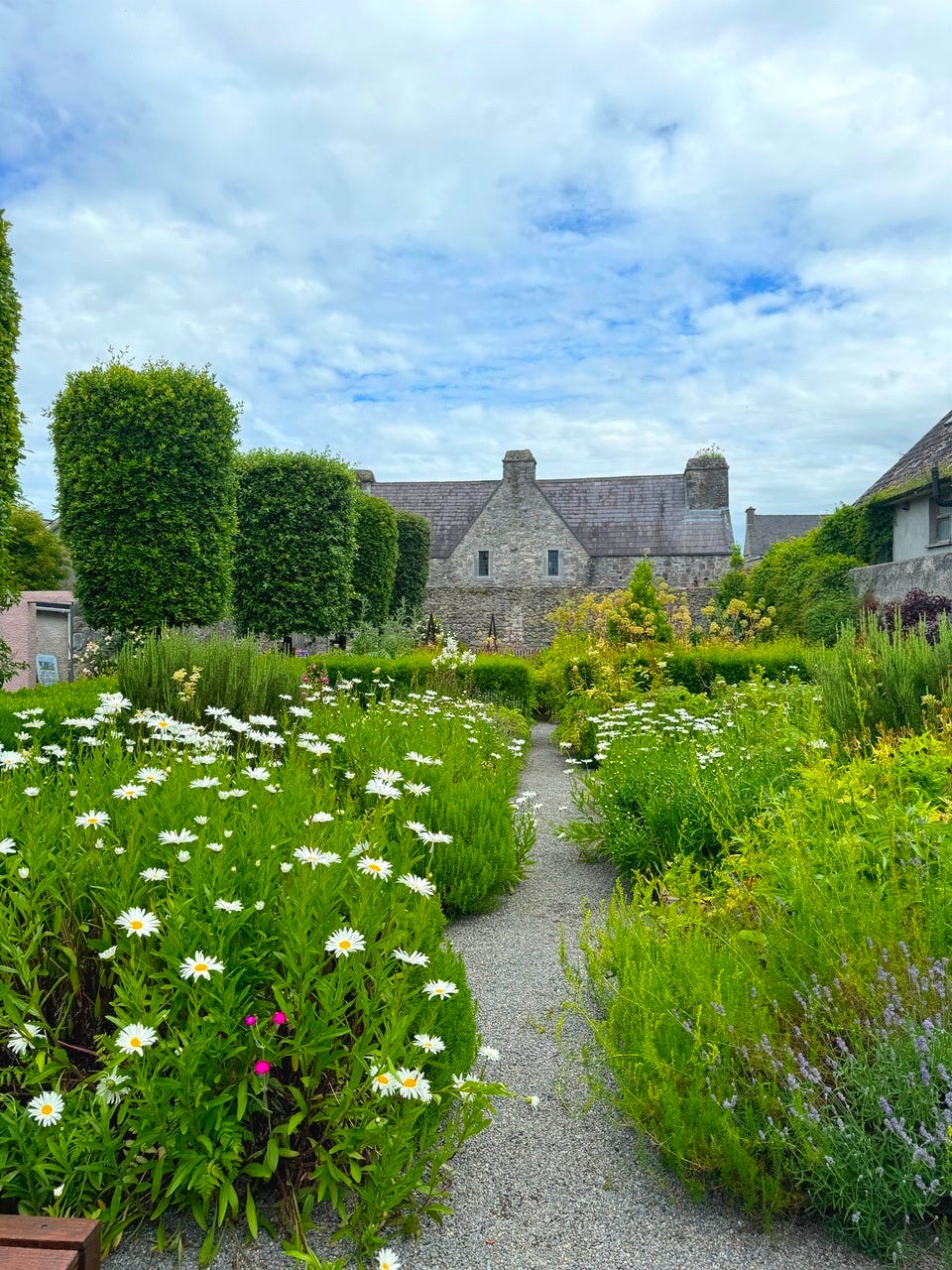
He's onto something. This isn't a museum where everything's behind glass – it's a place where the past still works. The herbs in the garden could still season your dinner tonight.
Making the Most of What You Have
Wandering through the house, you notice how cleverly the Rothes solved the problem of limited space. Hemmed in by Kilkenny's medieval streets, they couldn't build outward, so they built inward – creating courtyards and galleries that feel surprisingly spacious within a tight urban footprint.
Maybe there's something relevant here for modern Ireland, wrestling with housing shortages and urban density. The Rothes understood that good design isn't cramming houses and rooms into limited space, but about using what you have intelligently.
The museum displays reinforce the connections between then and now. Medieval artefacts sit alongside reconstructions of Tudor family life. You see not just how the Rothes lived but how their world connected to the bigger picture of European trade and politics.
What Survives and What to Visit
Rothe House stands as proof that Ireland's medieval merchants were more than just traders – they were builders, patrons, creators of the urban culture that made cities like Kilkenny important. Standing in the main hall, you understand they were building to last.
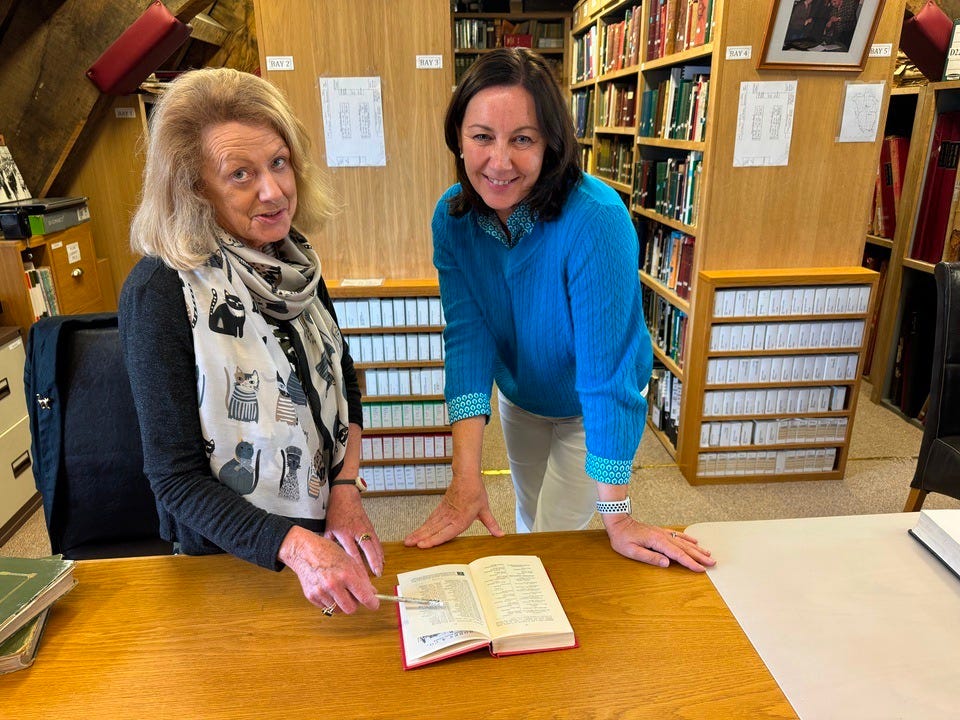
They may have lost their fortune, but they created something that outlasted both prosperity and disaster. The house now serves everyone from school groups to scholars, hosting everything from history lectures to concerts. In fact, there was a traditional concert in the kitchen the evening we arrived (and we stayed over for).
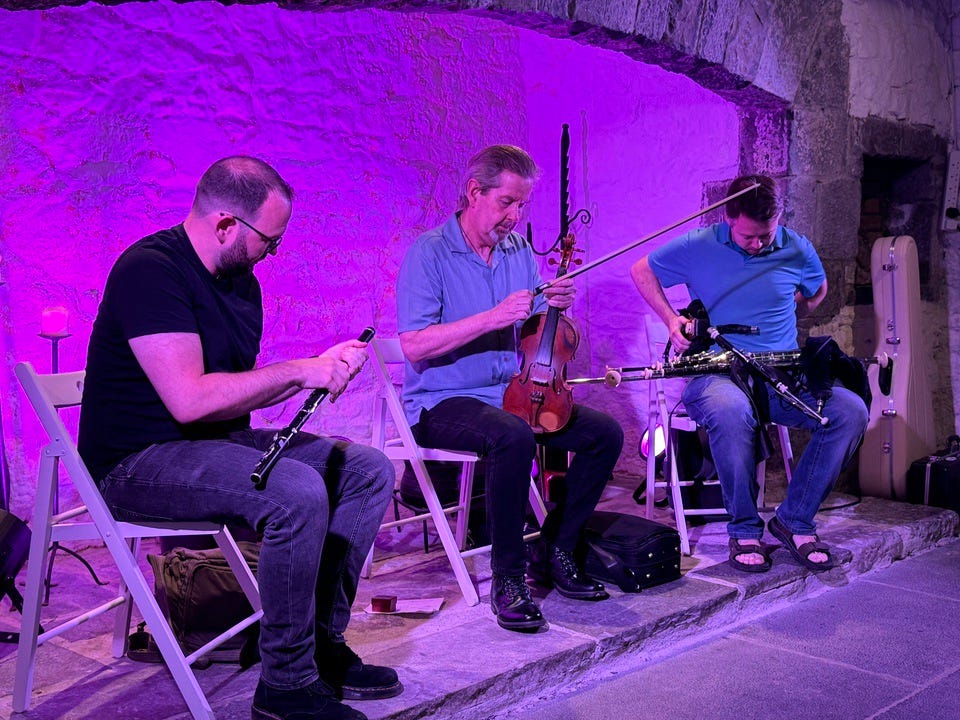
Perhaps that's what makes places like Rothe House valuable – not just the history they preserve but the questions they raise about how we live and build today. The Rothes' world is gone, but their constant struggle with balancing ambition and survival feel remarkably current.
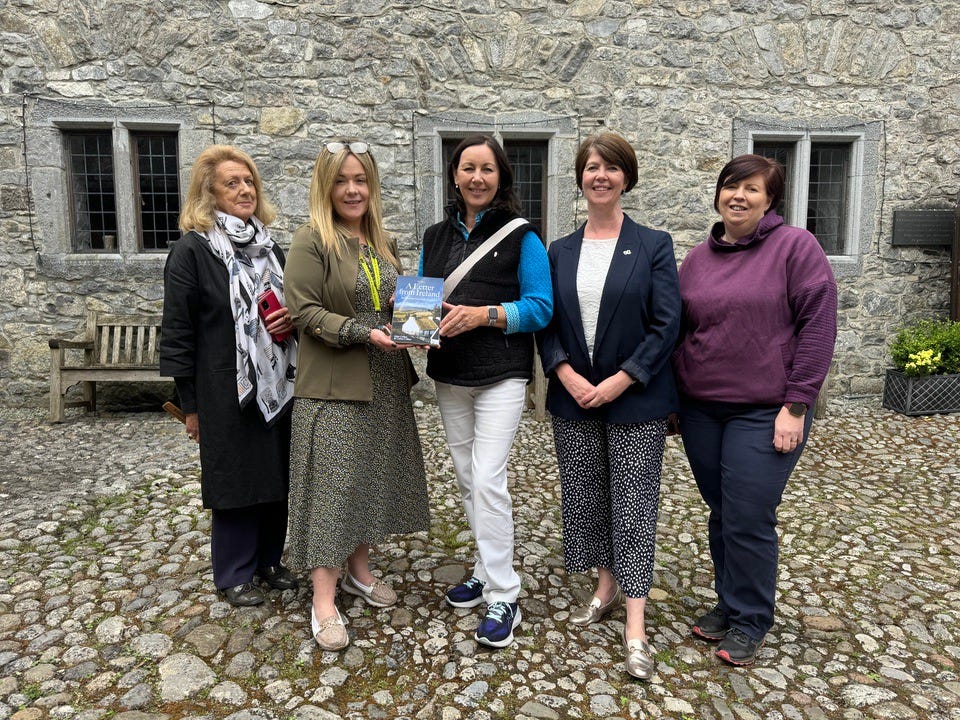
Stepping back onto Parliament Street with the smell of a recent shower off the pavement, the transition from Tudor merchant house to modern streetscape is jarring. But maybe that's the point, a reminder that today's certainties move on, and that the past is never as distant as we think.
The Rothes built their house to last, and it has. In a world where so much feels temporary, that's worth something for sure.
Find out more about the history and attractions of Rothe House, County Kilkenny here. One of Ireland’s hidden gems!