


I'm sitting on a hillside just outside Ballydehob in County Cork, with a clear view out to sea and to the island of Cape Clear on the horizon. This is land that my father's family have farmed for over 200 years, but in the last decade it has also become a stop on what is now the longest (and probably most consistently scenic) way marked road route in the world - the Wild Atlantic Way. So where better to put pen to paper and write about some of my own favourite stops on this ten-year-old route, including five you probably know already and five that may be unknown - but we’ll soon change that!
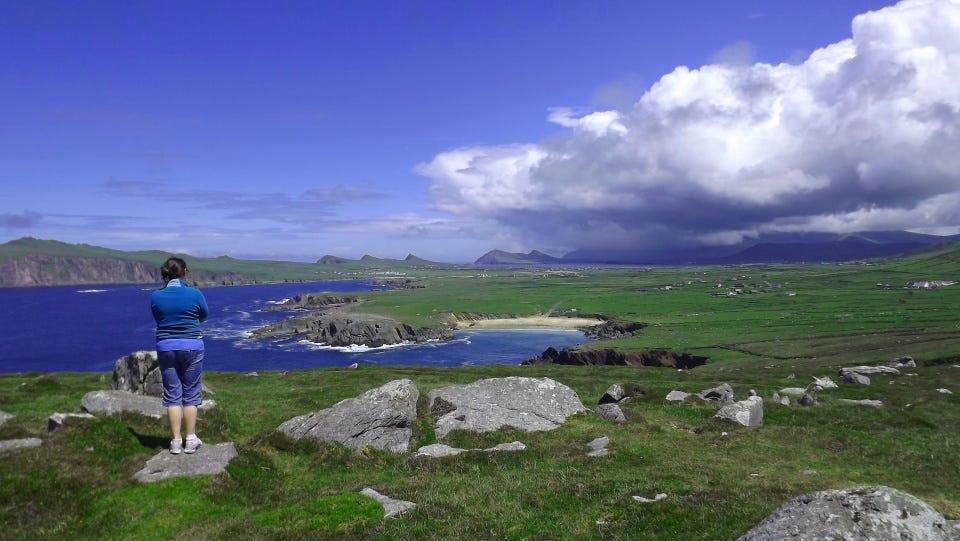
Living just twenty miles from where the Wild Atlantic Way officially begins in Kinsale, I've had countless conversations with visitors who discovered something unexpected on their journey. Many arrive thinking they're signing up for scenic coastal driving, but find themselves connecting to something deeper – the Ireland their ancestors knew, the communities that still maintain traditions passed down through generations.
Five Familiar Stops
Many scenic spots and villages along the Wild Atlantic Way have earned a reputation for good reason. These are the stops that draw visitors from around the world, places where Irish heritage and natural beauty intersect in ways that leave lasting impressions.
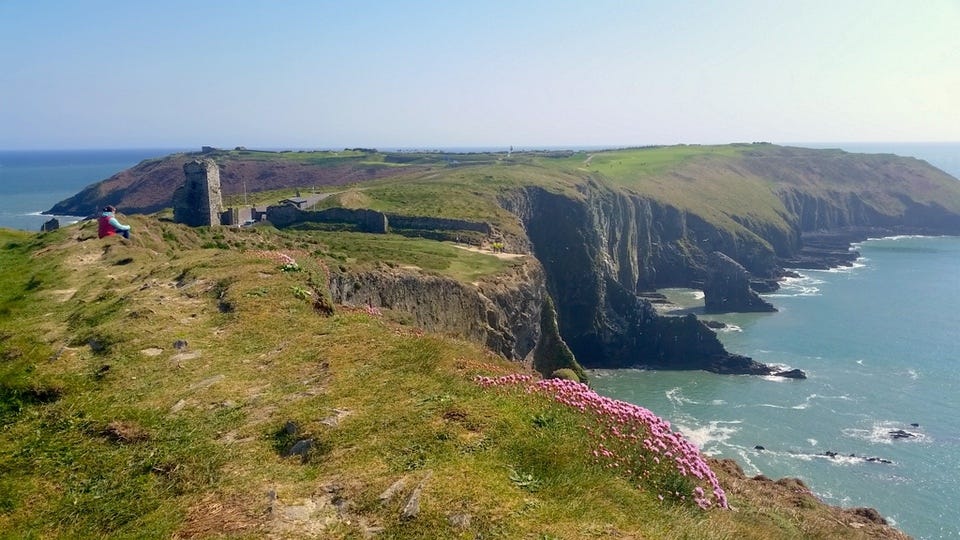
Kinsale, County Cork marks the official start of the route, but for those interested in Irish history, it represents much more. The Battle of Kinsale in 1601 marked the end of Gaelic Ireland as an independent force. The town's medieval streets and ancient harbour witnessed this pivotal moment when Spanish ships arrived to support Irish chieftains in their final stand against English expansion. Today's vibrant community maintains connections to traditions that stretch back centuries, making it an ideal introduction to the cultural journey ahead.
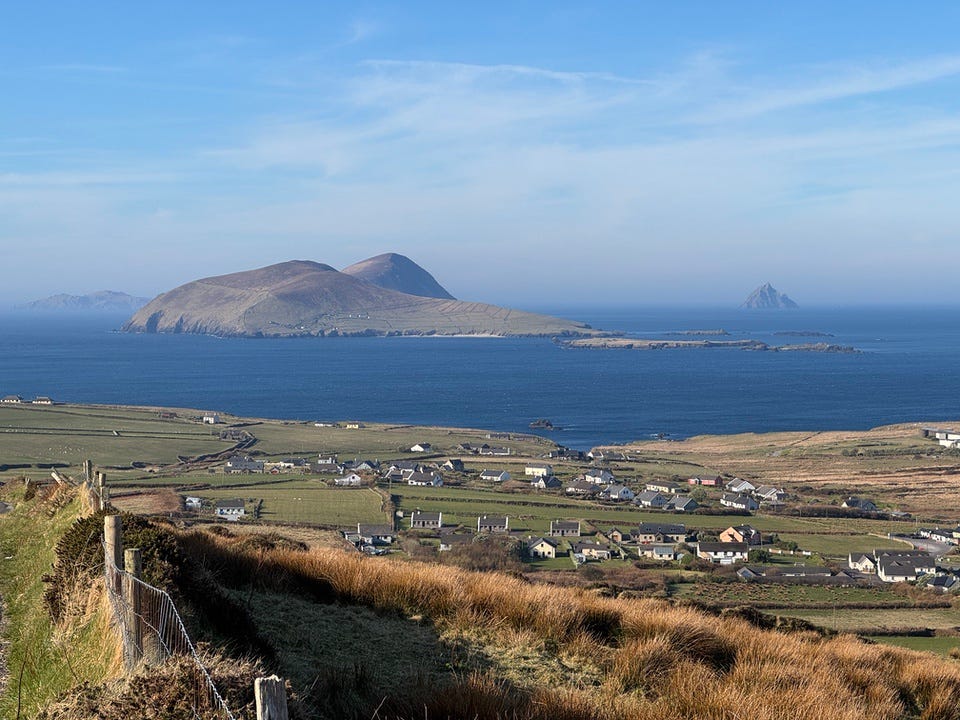
The Dingle Peninsula, County Kerry offers something increasingly rare – a living Gaeltacht where Irish remains the daily language of the community. For visitors whose ancestors spoke Irish, hearing it naturally used in shops and pubs proves deeply moving. The peninsula also holds over 2,000 archaeological sites, from ancient beehive huts to ogham stones, creating a tangible connection to Ireland's earliest inhabitants. Traditional music sessions run well into summer evenings, carrying forward tunes that have been part of Irish culture for generations.
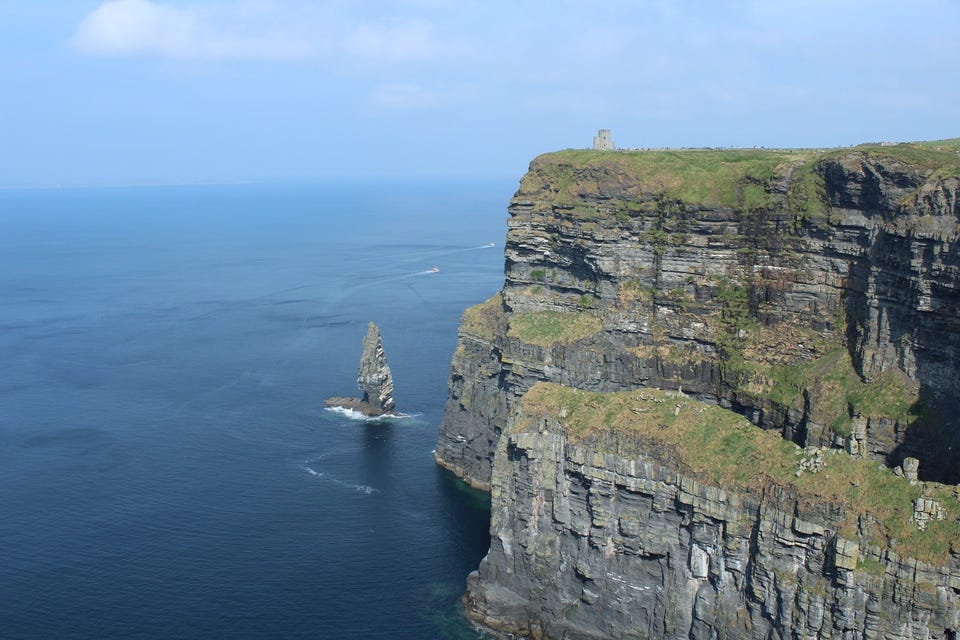
The Cliffs of Moher, County Clare certainly provide spectacular views, but they also carry deeper significance for understanding Irish emigration. While not a major departure point themselves, these towering cliffs represented a final glimpse of Ireland for countless emigrants who traveled along the western coast before sailing to new lives abroad. Standing here connects you to that experience of farewell that shaped so many Irish families.
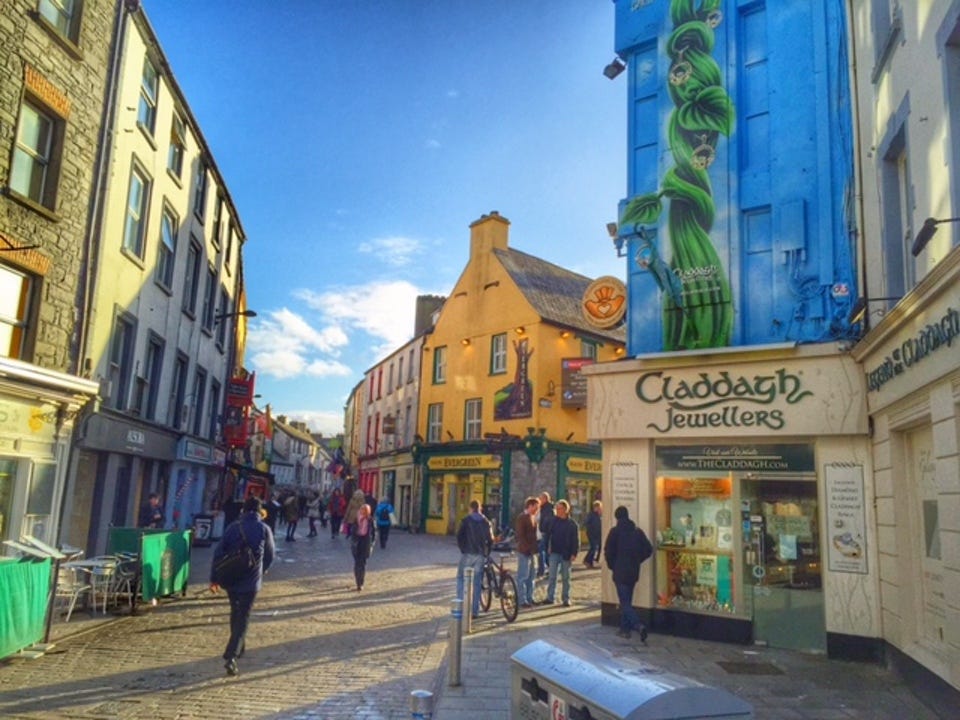
Galway City serves as Ireland's cultural (and food) capital for good reason. During the July Arts Festival, you'll encounter traditional Irish music, storytelling, and dance that connect directly to Ireland's ancient heritage. The medieval streets have been home to Irish speakers for centuries, and the city provides access to Connemara, where some of Ireland's strongest Gaeltacht communities continue traditions that helped shape Irish identity.
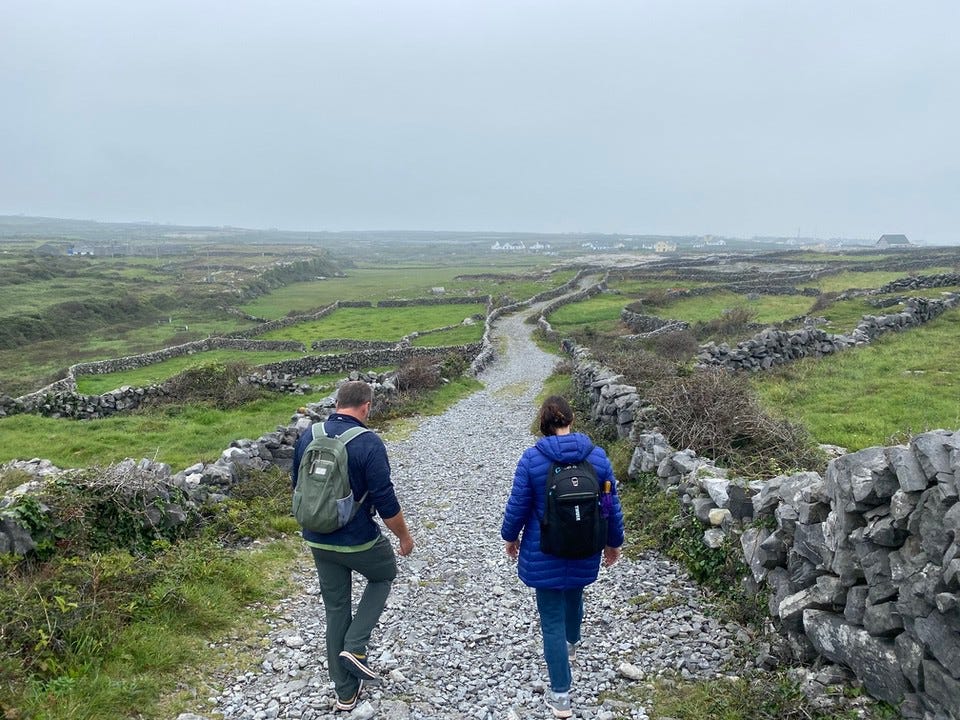
The Aran Islands represent perhaps our most authentic encounter with traditional Irish life still accessible today. Irish remains the daily language across all three islands, traditional currachs still work the shoreline, and the famous Aran sweaters maintain their status as living tradition, with each family preserving its own unique patterns. The islands' stone walls connect you directly to both Ireland's recent past and its prehistoric heritage.
Five Hidden Treasures
Beyond the well-known stops, the Wild Atlantic Way has places that fewer visitors discover but which offer equally authentic encounters with Irish culture and landscape.
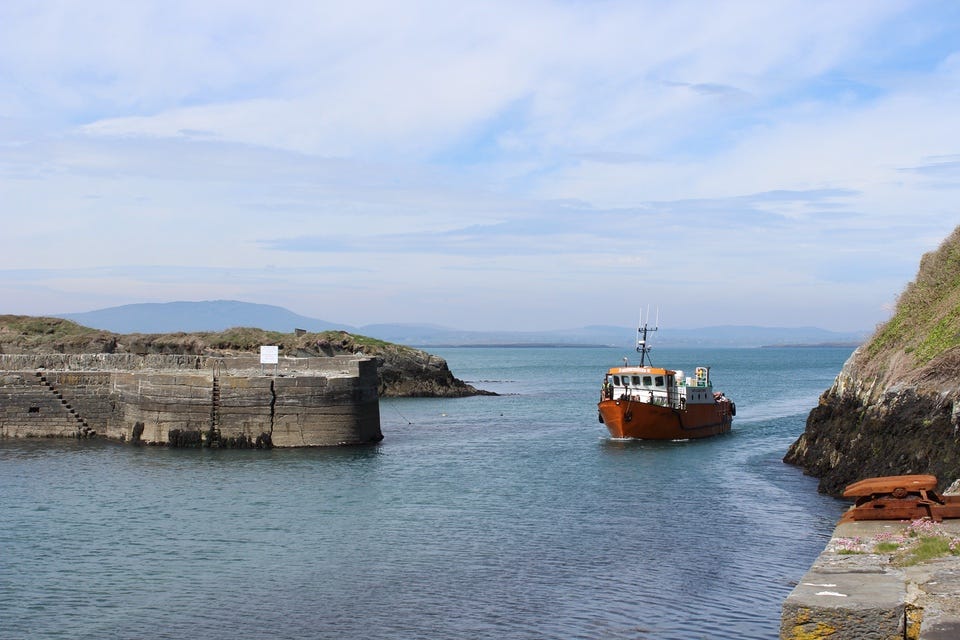
Cape Clear Island, County Cork provides a genuine immersion into both maritime and Gaeltacht culture. As Ireland's southernmost inhabited island, it's home to just 120 people, most of whom maintain Irish as their daily language. Each September, the island hosts an International Storytelling Festival, preserving oral traditions that carried Irish culture through centuries of change. The island offers direct connection to the seafaring heritage that sustained these communities for generations.
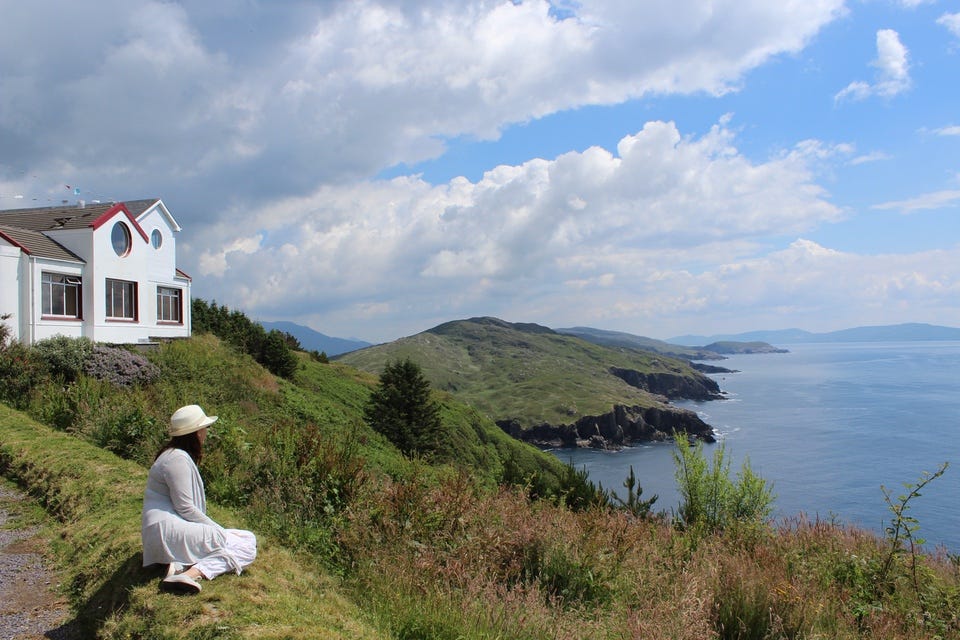
The Beara Peninsula tells stories of both resilience and emigration through its dramatic (that seems like too small a word) landscape. The abandoned copper mines around Allihies once employed thousands of workers – Irish alongside Cornish immigrants – creating a unique cultural blend before many moved on to places like Butte, Montana, following the closure of the mines. The peninsula's stone circles predate the pyramids, while villages like Eyeries maintain a streetscape that would have been familiar to your ancestors, though considerably more colourful today.
Kilkee, County Clare has drawn Irish families for generations, particularly from Limerick city, creating cultural continuity that's increasingly valuable. The town's traditional music scene thrives with tunes and songs that have been part of Irish heritage for centuries. Here you'll experience Irish hospitality at its most genuine and local, the kind that emerges naturally from community rather than being performed for tourists. I really must to remember to take a photo the next time we’re there!
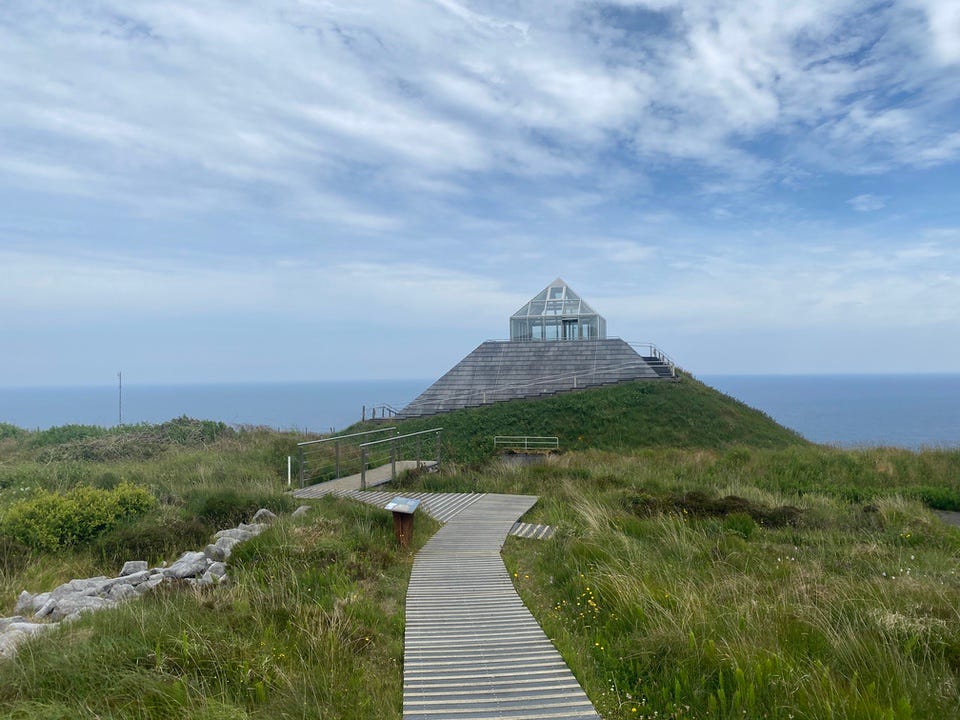
Ballina, County Mayo sits at the edge of one of Ireland's most culturally rich regions. The surrounding landscape inspired countless Irish songs and stories, where traditional farming and fishing ways continue alongside modern life. Nearby, the Céide Fields represent Europe's oldest known field systems, demonstrating that Irish people have been shaping this landscape for over 5,000 years. The music scene throughout north Mayo remains exceptional, often featuring musicians whose families have passed down tunes through generations.
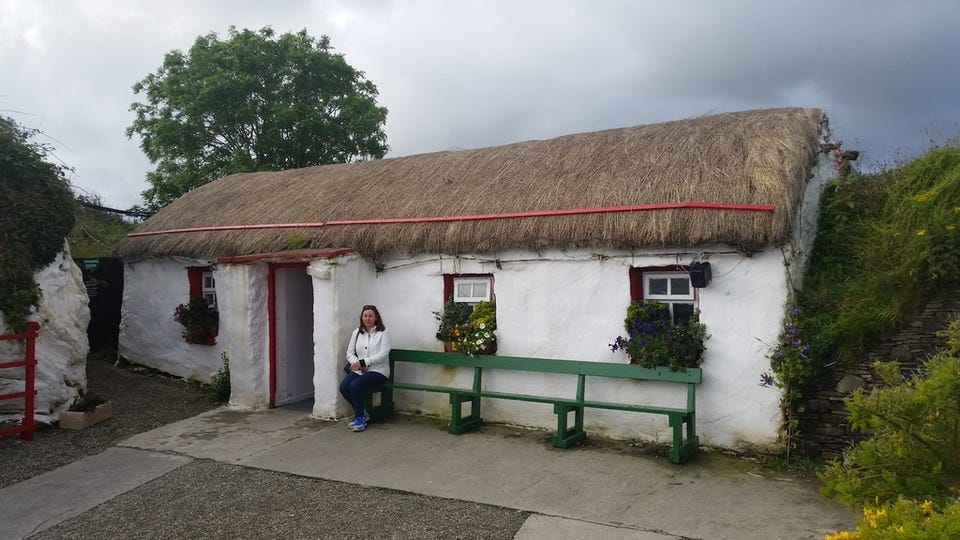
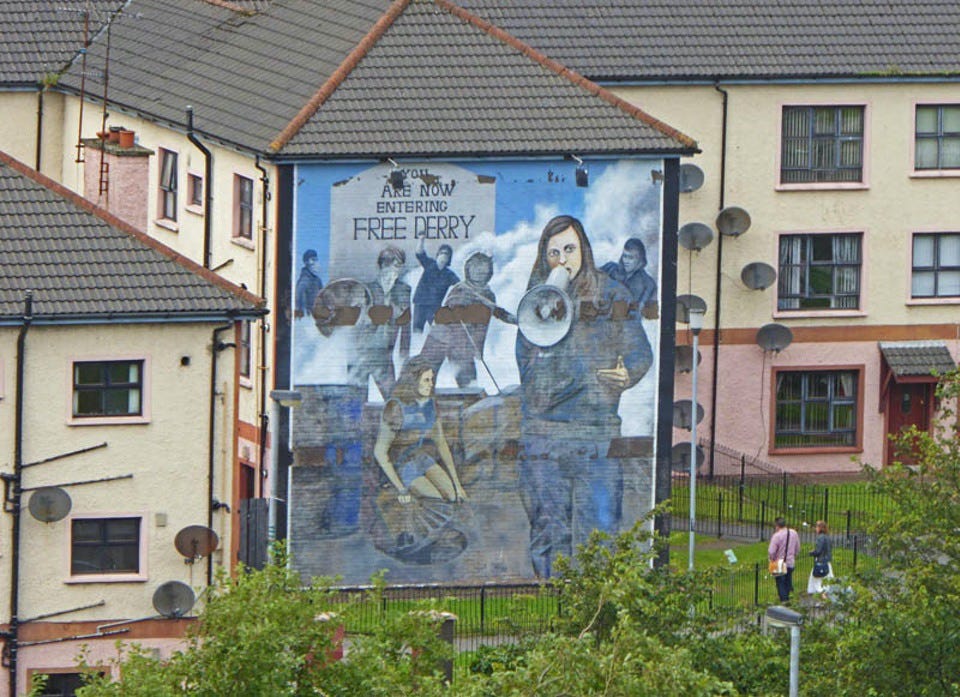
The Inishowen Peninsula, County Donegal offers Ireland's most unchanged cultural landscape. Irish traditions run deep here, from the language still spoken in parts of the peninsula to traditional crafts and customs that have survived centuries of change. The peninsula connects naturally with Derry city, where museums and preserved walls tell complex stories of Irish identity and political history. For those with Ulster roots, this region provides profound connection to Ireland's cultural heritage.
More Than Scenic Driving
What makes the Wild Atlantic Way special for heritage visitors isn't just the dramatic coastline, but how so many of the communities along the route remain authentically Irish. In so many places, you'll encounter a storytelling tradition that turns conversations into experiences, hear music and experience craic that connects you to the culture your ancestors knew.
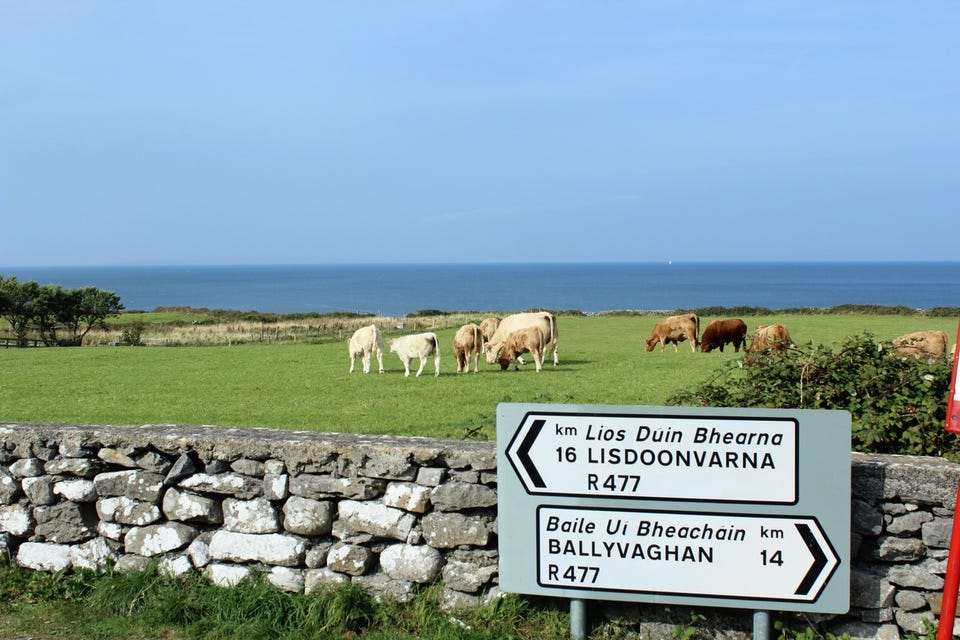
The Ireland you'll discover along the Wild Atlantic Way isn't a tourist version of Irish culture, but the real thing – communities that continue to evolve while maintaining their essential character. It's where you'll understand not just where Irish people came from, but who we are today.
A mist is just starting to drift in around me as I lifted finish writing, hiding the green fields that stretch toward the coast and the islands beyond. However, a little weather won’t stop the thousands of visitors out there who are on their own journeys along the Wild Atlantic Way. Most are drawn here for the sightseeing, but many others returning to the places their ancestors left for a better life many generations ago. I guess the scenery didn't count for much back then.
Slán for now,
Mike